Input
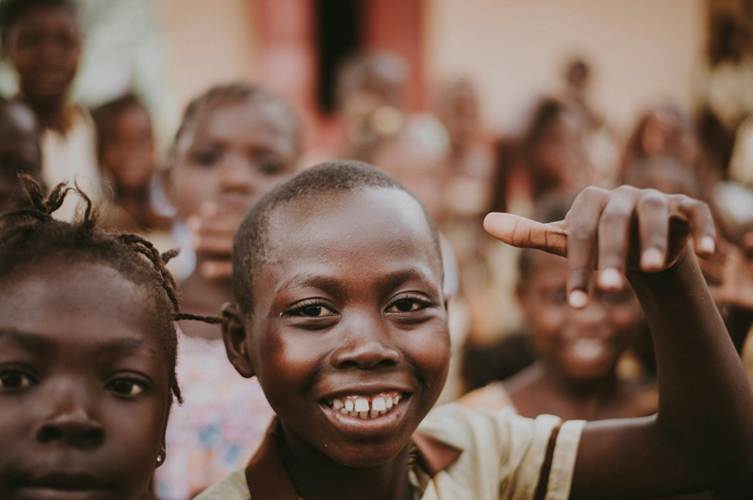
Understanding Language Input in Early Childhood in South Africa
This project investigates the language input that young children receive in isiXhosa-speaking homes and communities. It examines how caregivers communicate with children and how linguistic, social and cultural contexts shape early language experiences. The research considers variation across languages and communities, with particular attention to the realities of language development in South Africa. The project contributes to a better understanding of the foundations of early language learning and development.
Funded by the National Research Foundation
Gesture
Gesture and Language Development across Romance and Bantu Languages
This international collaborative project investigates the relationship between gesture and language development across Romance and Bantu languages. It examines how children and adults use gestures alongside speech and how these patterns vary across languages and cultural contexts. By comparing typologically different language groups, the research explores both shared and language-specific features of multimodal communication. The project strengthens international research collaboration and contributes to knowledge about gesture, language and cognitive development.
Funded by the European Union Marie Curie International Research Staff Exchange Scheme
Language Variation and Multilingualism
Understanding Thinking for Speaking in isiXhosa Speakers Learning English in South Africa
This project examines how isiXhosa speakers organise and express thought when learning and using English. Drawing on the concept of “thinking for speaking,” it explores how the grammatical and conceptual patterns of isiXhosa influence the ways speakers describe experiences in English. The research contributes to understanding the relationship between language, cognition and second-language learning in the South African context. It also highlights the importance of recognising learners’ existing linguistic knowledge.
Urban Youth Language Practices in South Africa
This research examines urban youth language practices in multilingual South African townships. It approaches these practices as dynamic, multimodal performance registers through which speakers negotiate social status and express identities. The research explores how speakers incorporate creative slang into locally dominant languages and combine it with distinctive patterns of intonation and gesture. It also investigates social variation, linguistic innovation and the ways new expressions circulate through peer networks. The work contributes to broader understandings of language contact, identity and urban youth communication in Africa.
Funded by the National Research Foundation
 The Child Language Development Node