Botswana
Rose Letsholo-Tafila
PhD (Linguistics)
Associate Professor: Linguistics
University of Botswana
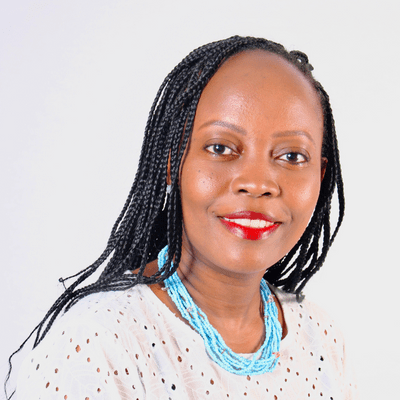
Rose’s research is mainly on the syntax of IKalanga and Setswana, both spoken in Botswana. Over the past few years she has extended her research interests to Khoesan languages and she has a few publications based on ǁGana, a Khoesan language from New Xade, Botswana. She also conducts social and ethnological based researches in the areas of language and gender as well as language attitudes. Rose is the Editor of Marang Journal of Language and Literature.

Naledi Kgolo
PhD (Psycholinguistics and Neurolinguistics)
Lecturer: Department of English, University of Botswana
Naledi’s research interests include experimental linguistics, language processing, comprehension and acquisition. More specifically, her work focuses on mental processes that occur during language processing. She does research on English and Setswana, the official and national languages of Botswana.
Naledi sits on the Editorial Board of Marang Journal of Language and Literature, is a Board Member of the African Psycholinguistics Association (APsA), a Language Champion for the Oxford University Press – Setswana Living Dictionary, and is an Alternative Member of the University of Botswana’s Social and Behavioural Institutional Review Board (research ethics committee). Naledi has published several peer-reviewed journal articles.
Sweden
Christina Samuelsson
Professor: Karolinska Institute, Stockholm
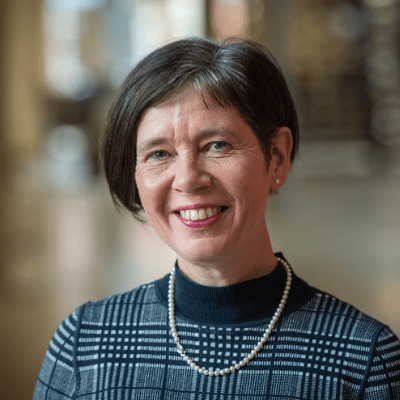
Christina has long standing research within language disorders in children, and she has specialised in prosody and phonology. She is also active in the European network on research in child language disorders, EUCLDIS. Currently Christina’s research regards interaction involving people with communicative disabilities. The focus is on describing and facilitating communication for children with language impairment, people with aphasia and people with dementia.
Christina is currently involved in adapting two assessment tools to measure language development in Swedish, Sesotho and Setswana speaking children from 8 to 36 months. The project focuses on linguistic production and gesture development as well as on language comprehension. She is also running a project on early lexical development and development of gestures in children with cochlear implants and children with DLD.
United Kingdom
Katie Alcock
DPhil (Experimental Psychology)
Senior Lecturer: Psychology, Lancaster University
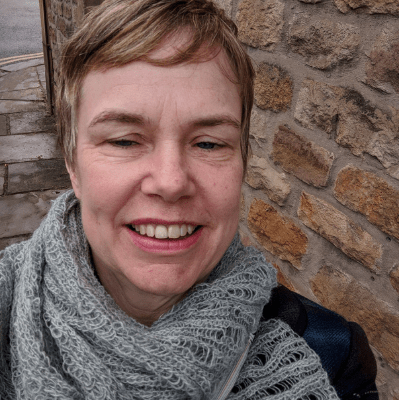
Katie’s research interests include language development, the cognitive psychology and neuropsychology of language, and the influence of health and disease on neuropsychological development. Her research experience is in two main areas:
- What makes children different from each other in learning language? I look at child-originating differences (especially motor control and cognitive abilities) and external-originating differences (including SES and the language that children are learning). Research in this strand includes highly-cited work on motor control and language development, work on developmental language disorders, and construction of Communicative Development Inventories which enable researchers to collect accurate information about children’s language development.
- What health factors impact on children’s development? Here I look in particular at health factors that are common in developing countries, including malnutrition and parasitic infections, as well as neurological conditions arising from cerebral malaria, and also at the impact of interventions designed to alleviate these factors. Research in this area always has to include the development of cognitive and language tests to assess children’s abilities, and the consideration of the effects of culture and schooling on children’s development.
The Netherlands
Carmen Defty
PhD Candidate: Linguistics, Vrije University Amsterdam
Carmen Defty is PhD candidate at Vrije University, Amsterdam. Her research foci is language acquisition, socialization practices and early language input. She mainly researches child-directed speech in understudied communities and the effect of input on output.

United States
Martin Mössmer
PhD Candidate: Linguistics, University of Michigan (Ann Arbor)
Martin conducted his Masters research on Xri, a critically endangered Khoekhoe language spoken in the Northern Cape. His research interests include the mutual influences between dominant languages and the Khoekhoe varieties and ‘Khoisan’ languages spoken in South Africa, language maintenance in these communities, varieties of ‘non-standard’ Afrikaans, folklore and stories among Khoekhoe speakers and rememberers, and the phonology, syntax and morphology of contact languages. As a part of the SA-CDI team 2018–2023, Martin worked on the adaptation of the CDIs for South Africa’s eleven official languages, and to the ongoing research.
Sefela Yalala
PhD Candidiate: Communication Sciences & Disorders, Northwestern University
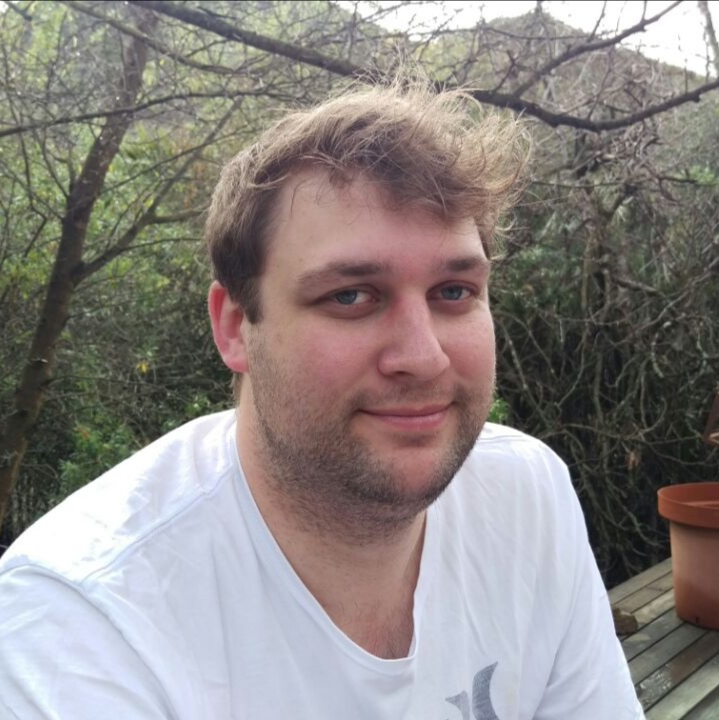
Sefela’s Masters studies focused on researching early language acquisition, especially within the contexts of Setswana-speaking children, her home language. Her interests are in infant and toddler language, the role of the social environment in language development, and early intervention. She has worked on adapting a language assessment tool (the CDI) into Setswana, and also consults on Sesotho and isiXhosa research. Sefela is continuing her research with a PhD looking at caregiver and child interactions and language intervention methods.

 The Child Language Development Node