Afrikaans & South African English
Frenette Southwood
PhD (General Linguistics)
Professor: General Linguistics, Stellenbosch University
Frenette’s research focuses on typical and impaired child language development in multilingual contexts. As part of the ongoing collaboration that stemmed from European COST Action ISO804 (Language Impairment in a Multilingual Society), amongst others, she is working on a dialect-neutral and culturally fair child language assessment instruments in Afrikaans and South African English. With Dr Ondene van Dulm (previously of Stellenbosch and Canterbury Universities) she developed culturally appropriate language therapy material for use with young South African children. Frenette is a qualified speech-language therapist and audiologist. She obtained her PhD from Radboud University Nijmegen in 1997 on language impairment in Afrikaans. She spent 2010 at Heidelberg University as an Alexander von Humboldt research fellow and has received the Rector’s Award for Outstanding Research and Outstanding Teaching.
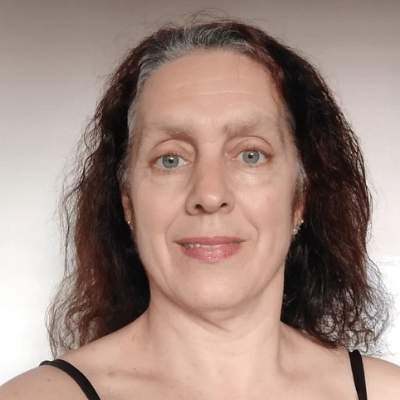
Helena Kruger
MSc (Clinical Linguistics)
Lecturer: Speech-Language and Hearing Therapy, Stellenbosch University
Helena is a qualified speech-language therapist. Her research interests include language and literacy development in multilingual and multicultural contexts, as well as assessment of developmental language impairment. She is involved in teaching, clinical education and research supervision of undergraduate and postgraduate students in the Division of Speech-Language and Hearing Therapy. (Formerly Helena Oosthuizen.)
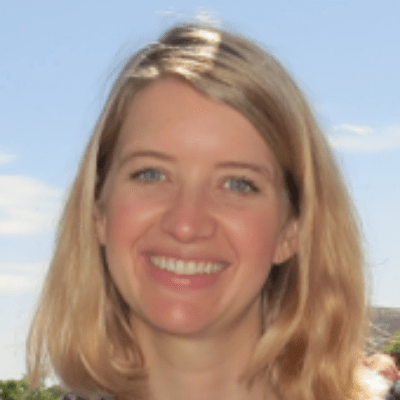
Nina Brink
MA (Afrikaans and Dutch)
Lecturer: Department Afrikaans and Dutch, North-West University
Nina is a lecturer in Afrikaans linguistics with a specific teaching focus on general linguistics, sociolinguistics and Afrikaans text editing. Her research focuses on the study of Afrikaans first language acquisition from a cognitive linguistics approach. In her master’s study, she focused on how very young children, just beginning to learn Afrikaans, make a conceptual mapping between the lexical form and a certain meaning. She is currently working on a PhD which focuses on Afrikaans-speaking children’s language development.
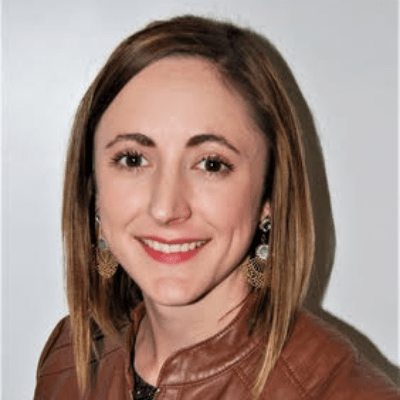
IsiXhosa
Babalwa Ludidi
MSc candidate (Speech-Language Pathology), University of Cape Town; B (Speech-Language and Hearing Therapy), Stellenbosch University
Speech-Language Therapist
Babalwa is a practicing Speech-Language Therapist with experience working in the National Departments of Health and Education. She is currently with the Department of Education, in the LSPID (Learners with Severe to Profound Intellectual Disabilities) Program. She has a special interest in working with children on the autistic spectrum. Babalwa’s Masters research project is aimed at describing the development of isiXhosa in children aged
8–32 months, and contributing to the adaptation of the isiXhosa CDI.
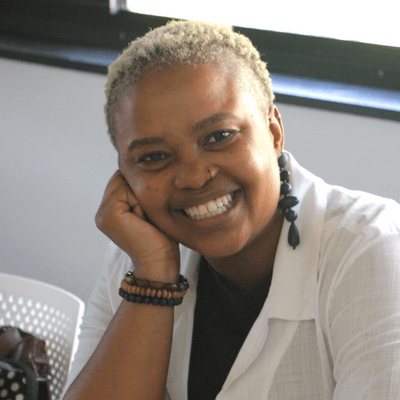
Sesotho
Heather Brookes
PhD (Language, Literacy & Culture)
Professor: General Linguistics, Stellenbosch University
Heather specialises in multimodal (speech and gesture) communication and has documented the gestural systems of black urban township communities in South Africa. Since 1998, she has been tracking language practices among multilingual township youth. She also works on language and gestural development in Sesotho investigating the development of representation and abstraction in language and gesture in early and later childhood and the effect of linguistic and cultural constraints on multimodal language production. Heather is leading the development of the Communicative Development Inventory for Sesotho. She also works on English second language acquisition among Xhosa speakers from 9 to 14 years from a multimodal perspective. She served as Vice President of the International Society for Gesture Studies from 2002-2005. She obtained her PhD in 2000 from Stanford University.
Setswana
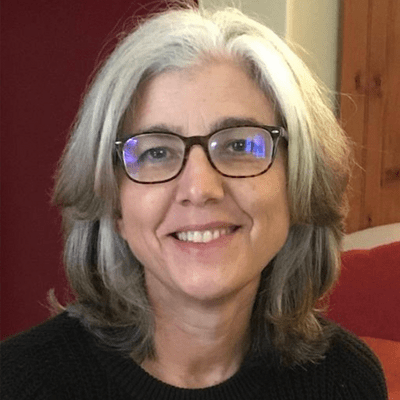
Sefela Yalala
MA (Linguistics)
Graduate Student: Communication Sciences & Disorders, Northwestern University
Sefela’s Masters studies focused on researching early language acquisition, especially within the contexts of Setswana-speaking children, her home language. Her interests are in infant and toddler language, the role of the social environment in language development, and early intervention. She has worked on adapting a language assessment tool (the CDI) into Setswana, and also consults on Sesotho and isiXhosa research. Sefela is continuing her research with a PhD looking at caregiver and child interactions and language intervention methods.

Xitsonga
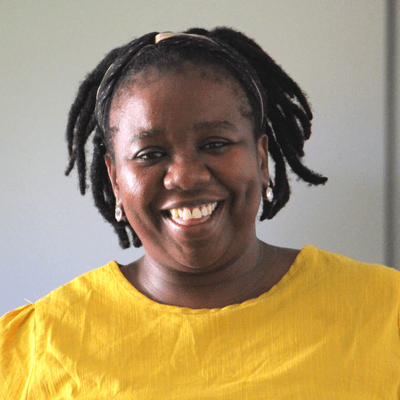
Mikateko Ndhambi
PhD (Speech Language Pathology Contact)
Associate Professor: Speech-Language Pathology, University of Fort Hare
Mikateko’s research interests are articulation disorders, Developmental Phonological Disorders, and South African Sign Language. Her clinical skills are in Childhood Language, Language for Learning, Early Intervention, and Educational Audiology. She is developing a niche in Mixed Methods. Her most recent publication is ‘Beyond lip service: Towards human rights-driven guidelines for South African speech-language pathologists’.
 The Child Language Development Node